

What Is FinTech? A Complete Guide to Financial Technology Explained

The financial world is evolving faster than ever, driven by innovations in financial technology, mobile applications, and digital platforms. At the heart of this transformation lies FinTech, a term that describes the software and technology solutions designed to help individuals and businesses manage, transfer, and invest money digitally.
From digital banking apps to personal finance tools and blockchain-based services, financial tech is redefining how people and organizations interact with money. Understanding what FinTech is and its role in the financial sector is essential for navigating today’s digital economy.
What is Fintech?
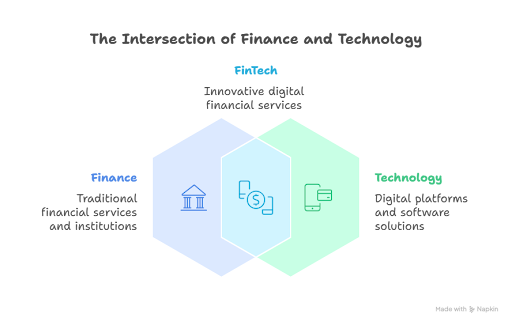
FinTech, short for financial technology, refers to the mobile apps, software, platforms, and digital services that make financial management faster, easier, and more secure. While often associated with startups, the term is also used by established institutions that adopt technology to enhance traditional financial services.
Whether automating payments, offering online loans, or enabling digital investments, FinTech companies are at the forefront of financial innovation. For example, services like FinTech login portals and FinTech software solutions are helping businesses and individuals manage finances efficiently.
The Evolution of FinTech
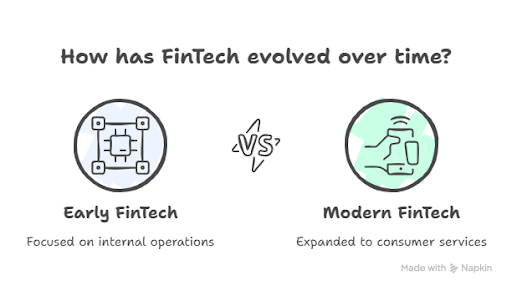
Originally, “FinTech” was used by banks to describe internal software systems for tracking accounts and processing transactions. Over time, it expanded to consumer-facing solutions such as mobile apps for budgeting, payments, investing, and lending.
Today, the fintech industry refers to a broad range of services across multiple sectors, including:
- Retail banking and neobanks
- Online lending and credit platforms
- Investment and wealth management apps
- Payment processing systems and digital wallets
- Cryptocurrency exchanges and blockchain solutions
As technology advances, FinTech encompasses digital solutions that increase accessibility, convenience, and security. The growth of the fintech industry and its applications demonstrates how pervasive these innovations have become.
History of FinTech
The concept of FinTech first emerged in the 1990s, referring to financial institutions leveraging technology to improve internal operations. By the 2000s, FinTech expanded to consumer services. Smartphones enabled services such as mobile banking, personal finance management, and digital investments, allowing fintechs to reach a broader audience.
In the last decade, the term “FinTech” has grown exponentially. While rooted in finance, the principles of financial tech are now applied across industries to enhance operations, planning, and service delivery.
Why Fintech Is Important
Understanding Fintech: Its Benefits for Individuals and Businesses
For Individuals:
Convenient Access to Finances:
Fintech apps and platforms enable users to easily monitor balances, transfer funds, and manage investments on-demand—whenever and wherever they choose.Enhanced Security:
Cutting-edge Fintech solutions integrate advanced encryption, multi-factor authentication (MFA), and blockchain technology to ensure robust protection of sensitive financial data.Expanded Financial Access:
Digital lending platforms and investment tools offer individuals, particularly in underserved populations, greater access to financial services that were previously difficult to reach.
For Businesses:
Improved Efficiency:
By automating routine financial tasks, fintech reduces manual labor and operational costs, enhancing overall business productivity.Accelerated Product Launches:
Businesses can leverage fintech software, whether custom-built or off-the-shelf, to swiftly deploy financial services, significantly reducing time-to-market.Enhanced Customer Engagement:
Personalized financial apps enable businesses to offer tailored experiences that improve customer retention, mirroring the seamless user interfaces found on popular digital platforms.
How Fintech Works
At its core, Fintech is about connecting technology with financial services. Most solutions rely on:
APIs (Application Programming Interfaces): Securely connect banking systems, payment platforms, and apps.
Mobile applications: Provide the interface for users to manage money, transact, and access services.
Web-based platforms: Complement mobile apps, providing broader accessibility.
By integrating these components, financial technology creates flexible, scalable, and secure solutions.
Types of FinTech Solutions
Digital Banks and Neobanks
Fully digital banks allow users to manage accounts, apply for loans, and invest without visiting a branch.
Payment Processing and Digital Wallets
Apps and platforms like PayPal, Venmo, and Square make payments faster and secure.
Personal Finance Management (PFM) Apps
Apps such as Mint and YNAB help track spending, set budgets, and plan financial goals.
Investing Platforms
Robo-advisors and trading apps allow investments in stocks, ETFs, and cryptocurrencies.
Lending and Credit Services
Platforms streamline loans and credit approvals in real-time.
Cryptocurrency and Blockchain Applications
Apps like Coinbase and Binance enable secure trading and management of digital assets.
FinTech and Artificial Intelligence
AI and machine learning are transforming financial technology. Consumer apps offer personalized recommendations, budget insights, and automated investment strategies. For enterprises, AI enhances risk analysis, decision-making, fraud detection, and customer support. AI-powered chatbots allow 24/7 assistance without the need for physical branches.
Regulatory Considerations
Given the sensitive nature of financial data, fintech includes compliance with regulations like PCI DSS, GDPR, and local banking standards. Emerging sectors, including cryptocurrency, require companies to navigate complex legal landscapes.
Examples of Popular FinTech Solutions
Digital payment apps: PayPal, Venmo, Square
Investment apps: Robinhood, Atom Finance
PFM apps: Mint, You Need a Budget (YNAB)
Peer-to-peer lending apps: LendingClub, Prosper
Cryptocurrency apps: Coinbase, Binance. These examples show how fintech companies are integrating financial tech into daily life, making financial services more accessible and efficient.
The Future of FinTech
From billion-dollar startups to traditional banks modernizing their systems, the fintech industry continues to evolve. Emerging technologies, new regulations, and changing consumer expectations will drive innovation, creating more efficient, inclusive, and accessible services.
Conclusion
FinTech represents a transformative shift in the world of financial services. From digital wallets and AI-driven apps to blockchain innovations, financial technology is revolutionizing banking, payments, investing, and lending. Understanding FinTech empowers individuals and businesses to harness these technologies, manage their finances more efficiently, and actively participate in the digital economy. Whether through secure login portals, mobile apps, or decentralized blockchain networks, FinTech is undoubtedly shaping the future of finance.