

Pentagon and Big Tech: Tesla Cybertruck Military Debate

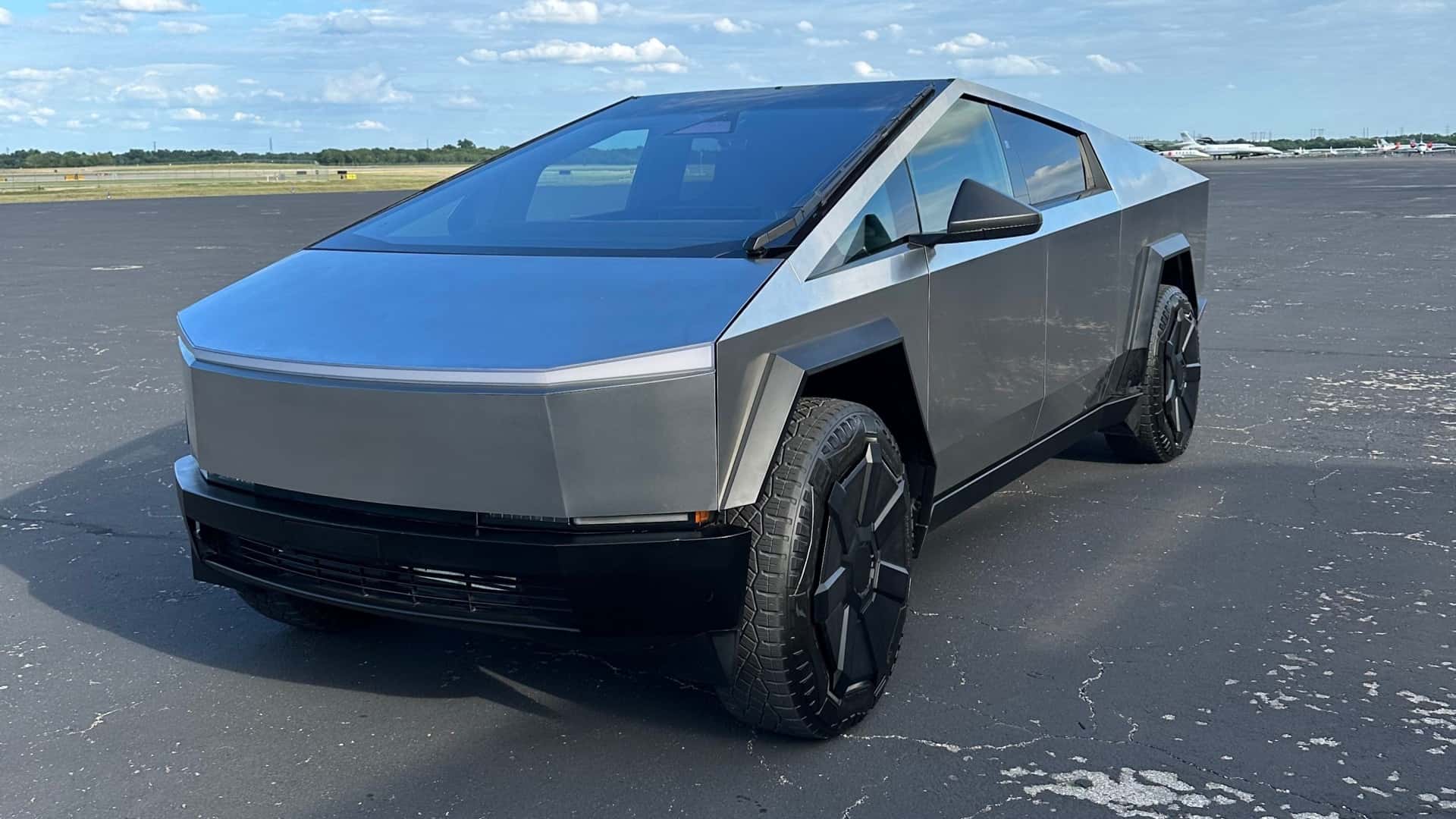
The Tesla Cybertruck has been one of the most talked about electric vehicles in modern automotive history. Designed with futuristic aesthetics, stainless steel exoskeleton, and electric power, the Cybertruck was originally marketed as a consumer vehicle. However, in recent months it has captured the attention of something far bigger and more unexpected: the Pentagon and the wider United States military.
News reports, viral clips, leaked images, and insider commentary have revealed an unusual development. The U.S. Air Force and other branches of the military have shown interest in the possibility of using the Tesla Cybertruck for military-based research, field durability testing, and potentially future tactical adaptation. Headlines like Pentagon Big Tech Tesla Cybertruck and USAF wants to use Tesla Cybertrucks for target practice circulated widely online and sparked debates across media, online forums, and tech communities.
So why is a civilian electric pickup truck suddenly being discussed in military analysis? What makes the Tesla Cybertruck interesting to defense agencies? Could it one day evolve into a fully functional military cybertruck? This blog explores the story from every angle.
How Big Tech is Becoming a New Defense Partner
Historically, the Pentagon has worked with defense contractors such as Lockheed Martin, Northrop Grumman, General Dynamics, and Boeing. But today, Big Tech companies including Tesla, SpaceX, Amazon, Google, Microsoft, and Palantir have become major contributors to defense projects.
This shift is happening because:
- Defense strategies now depend heavily on cybersecurity, automation, artificial intelligence, and energy innovation
- Modern warfare demands advanced software and electric power systems rather than just steel and fuel
- The military wants to explore silent electric mobility and autonomous systems
With Elon Musk’s companies already partnering with NASA and the U.S. Space Force through SpaceX, it is not surprising that Tesla has entered the conversation. The Pentagon sees electric vehicles as the future, and the Cybertruck’s unconventional design makes it a valuable experimental subject.
Why the Pentagon Is Interested in the Cybertruck
Several features of the Cybertruck have captured military interest.
Stainless Steel Exoskeleton
Unlike traditional trucks made of aluminum or sheet metal, the Cybertruck is built with an ultra hard stainless steel frame known as the exoskeleton. This design may help it survive ballistic impacts, harsh terrain, and military environmental conditions better than typical consumer vehicles.
Bullet Resistant Properties
During the Cybertruck reveal, Tesla claimed the vehicle could resist certain calibers of gunfire. Although this claim was controversial and untested at scale, the Pentagon wants to verify its ballistic capabilities. Some tests are rumored to involve live fire exercises, which led to the viral headline about target practice.
Silent and Stealth Movement
Traditional military trucks powered by diesel engines are loud and generate strong heat signatures. Electric vehicles like the Cybertruck offer quieter operation and lower thermal detection, making them suitable for reconnaissance, border patrol, or night missions.
Massive Battery Storage and Power Capability
Modern battlefields require efficient portable energy. The Cybertruck could serve as a power source for radios, radar systems, command modules, medical tools, and emergency response equipment during field deployment.
Autonomous Driving Ability
Tesla’s artificial intelligence and Full Self Driving system represent a major interest point for future unmanned military vehicles.
Could a Military Cybertruck Be Developed
Experts believe it is possible. A military version of the Cybertruck could be built similar to how HUMMER evolved from a military vehicle to a civilian icon and later became an electric alternative.
A future Cybertruck for military use might include:
- Armored upgrades
- Reinforced exoskeleton
- Weapon mounting rails
- Shielded electronics from electromagnetic pulses
- Tactical communication systems
- Drone compatibility
- Battlefield navigation AI
- Off road heavy duty suspension
It may serve roles like troop movement, emergency rescue operations, disaster relief, border surveillance, or logistics support.
Public Reaction and Cultural Impact
When the news about Pentagon interest circulated, the public reaction was intense. Tech enthusiasts found it exciting, skeptics questioned the practicality, and conspiracy theorists claimed it was part of a secret futuristic military agenda.
Social media platforms like X (formerly Twitter), Reddit, TikTok, and YouTube exploded with content ranging from analysis to comedy skits. The Cybertruck quickly became more than a vehicle. It became a symbol of innovation, controversy, and the future.
Some discussions compared it to science fiction vehicles from Star Wars, Halo, or Blade Runner. Others suggested the world is entering an era where Big Tech will reshape global defense strategies.
What This Means for the Future of Military Vehicles
The interest in the Cybertruck is more than curiosity. It represents a shift in military planning. Electric vehicles may eventually replace many fossil fuel powered machines used for noncombat operations.
The Pentagon is exploring:
- Renewable energy for defense
- Silent transportation systems
- Electric mobility fleets
- Autonomous robotic support vehicles
- Electrified military logistics
Even if the Tesla Cybertruck never officially becomes a standard military vehicle, it already changed how the defense world views electric transportation technology.
Conclusion
The connection between the Pentagon, Big Tech, and the Tesla Cybertruck represents a transformational moment in defense innovation. Technology, sustainability, and military strategy are merging. The Cybertruck’s design, durability, and advanced software make it more than a consumer electric truck. It has become a prototype for the future of military engineering.
Whether used for field research, operational missions, or tactical exploration, the Cybertruck has successfully captured global attention and sparked discussions about the future of military mobility, battlefield strategy, and autonomous defense systems.
The story is still evolving and the world is watching closely.
Frequently Asked Questions
Why is the Pentagon interested in the Tesla Cybertruck
The Pentagon is evaluating the Cybertruck for durability, battery efficiency, stealth benefits, and military future potential.
Did the U.S. Air Force test Cybertrucks for target practice
Reports suggest ballistic and durability testing took place, which led to widespread viral headlines.
Could Cybertruck become a military vehicle in the future
Possibly. If upgraded with military modifications, the Cybertruck platform could support tactical operations.
Is the Cybertruck bulletproof
Tesla claims partial bullet resistance, but official military testing results have not been fully confirmed.
What makes Cybertruck unique compared to other vehicles
Its stainless steel exoskeleton, electric powertrain, silent movement, and AI capabilities make it different from traditional trucks.