

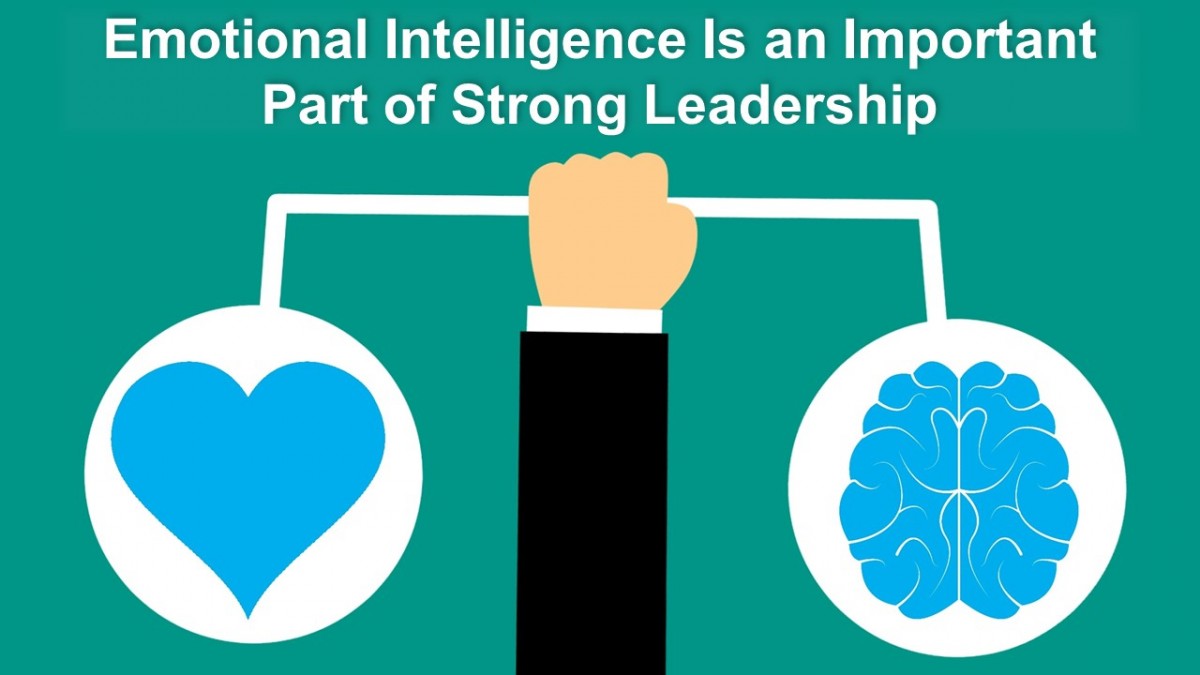
The importance of emotional intelligence in leadership

Leadership today is no longer defined by authority, technical expertise, or years of experience alone. The most effective leaders stand out because of their ability to understand people, manage emotions, and build meaningful connections. This ability is known as emotional intelligence, and it plays a critical role in modern leadership.
Organizations across industries now recognize that emotional intelligence in leadership directly influences team performance, workplace culture, and long-term success. Leaders who demonstrate emotional awareness inspire trust, reduce conflict, and create environments where people feel motivated to perform at their best.
What Is Emotional Intelligence?
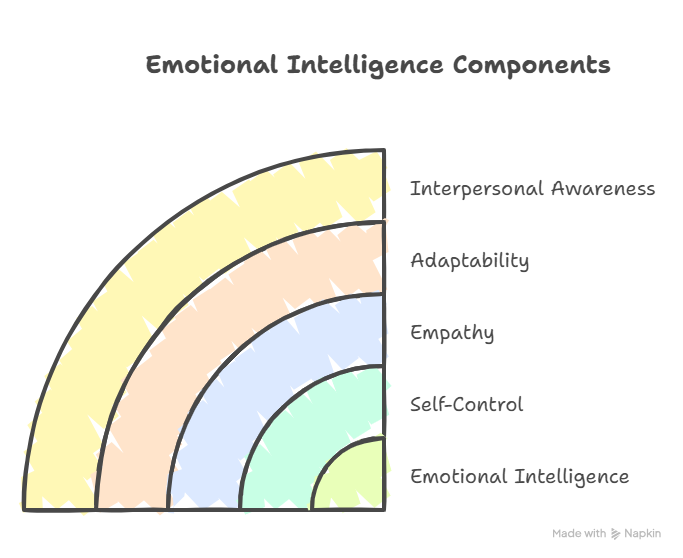
Emotional intelligence refers to the ability to recognize, understand, and manage your own emotions while also being aware of and influencing the emotions of others. This emotional intelligence definition goes beyond basic social skills—it involves self-control, empathy, adaptability, and strong interpersonal awareness.
When discussing what is high emotional intelligence, it typically describes individuals who remain calm under pressure, communicate thoughtfully, and respond rather than react to challenges. In leadership roles, these qualities become essential for guiding teams through change and uncertainty.
Why Is Emotional Intelligence Important in Leadership?
You may wonder, why is emotional intelligence important for leaders? The answer lies in how leaders shape workplace dynamics. Leaders with high emotional intelligence set the emotional tone for their teams. Their behavior affects morale, engagement, collaboration, and trust.
Research consistently shows that emotionally intelligent leaders are better at motivating employees, resolving disputes, and making balanced decisions. While technical expertise may earn a leadership position, leadership and emotional intelligence determine how successful someone becomes in that role.
Signs of High Emotional Intelligence in Leaders
Recognizing the signs of high emotional intelligence can help organizations identify strong leaders. Some common indicators include:
- Staying composed during stressful situations
- Listening actively and without judgment
- Showing empathy toward team members
- Accepting feedback without defensiveness
- Managing conflict constructively
Leaders with high emotional intelligence don’t ignore emotions—they understand them and use that understanding to guide better decisions and relationships.
The Core Components of Emotional Intelligence
To understand the importance of emotional intelligence, it’s helpful to break it down into its core elements. The components of emotional intelligence work together to form effective leadership behavior.
1. Self-Awareness
Self-awareness is the foundation of emotional intelligence leadership skills. It involves recognizing your emotions, strengths, weaknesses, and how your behavior affects others. Leaders who lack self-awareness often unintentionally damage trust and morale.
2. Self-Regulation
Self-regulation, or emotional control, allows leaders to manage impulses and remain steady under pressure. Instead of reacting emotionally, emotionally intelligent leaders pause, reflect, and respond thoughtfully.
3. Social Awareness
Social awareness includes empathy and the ability to understand group dynamics. Leaders who excel in this area can “read the room,” recognize unspoken concerns, and adapt their communication style accordingly.
4. Relationship Management
Relationship management focuses on influencing, coaching, and resolving conflict effectively. Leaders strong in this component build collaboration, address issues early, and maintain respectful professional relationships.
Together, these components define emotional intelligence and leadership at its highest level.
Emotional Intelligence and Leadership Effectiveness
The connection between emotional intelligence in leadership and organizational success is clear. Leaders who understand emotions foster psychological safety, encourage open communication, and improve decision-making quality.
In contrast, leaders who lack emotional intelligence may rely heavily on authority or technical skills, often resulting in disengaged teams and high turnover. This highlights the growing emphasis on leadership skills and emotional intelligence in hiring and development programs.
How Emotional Intelligence Shapes Leadership Skills
Strong emotional intelligence leadership skills enable leaders to:
- Communicate clearly and respectfully
- Handle conflict without escalation
- Build trust across teams
- Support employee well-being
- Inspire loyalty and commitment
These skills allow leaders to influence not just outcomes, but people—making them more effective and respected in their roles.
How to Develop Emotional Intelligence as a Leader
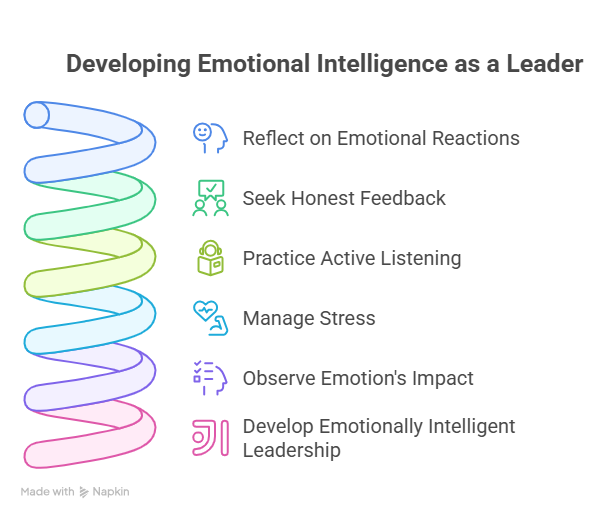
Emotional intelligence is not fixed; it can be strengthened with intention and practice. Leaders can improve their emotional intelligence by:
- Reflecting regularly on emotional reactions
- Seeking honest feedback from peers and teams
- Practicing active listening
- Managing stress through healthy routines
- Observing how emotions impact decision-making
Developing these habits helps leaders grow into emotionally intelligent leaders who can adapt to evolving workplace challenges.
The Long-Term Value of Emotional Intelligence in Leadership
As workplaces become more collaborative and people-focused, the importance of emotional intelligence continues to rise. Leaders who prioritize emotional awareness are better equipped to guide teams through change, uncertainty, and growth.
Ultimately, emotional intelligence in leadership is not just about managing emotions—it’s about understanding people. Leaders who master this skill create stronger teams, healthier cultures, and more sustainable success.
Final Thoughts
Technical knowledge may open the door to leadership, but emotional intelligence determines how far a leader goes. By developing emotional awareness, empathy, and relationship skills, leaders can unlock their full potential and positively impact those around them.
In today’s world, leadership and emotional intelligence are inseparable—and those who embrace this truth are the leaders who truly stand out.