
Self Sabotaging: Meaning, Signs, Causes & How to Stop Self-Sabotage

Self Sabotaging: Meaning, Signs, Causes, and How to Stop Self-Sabotage
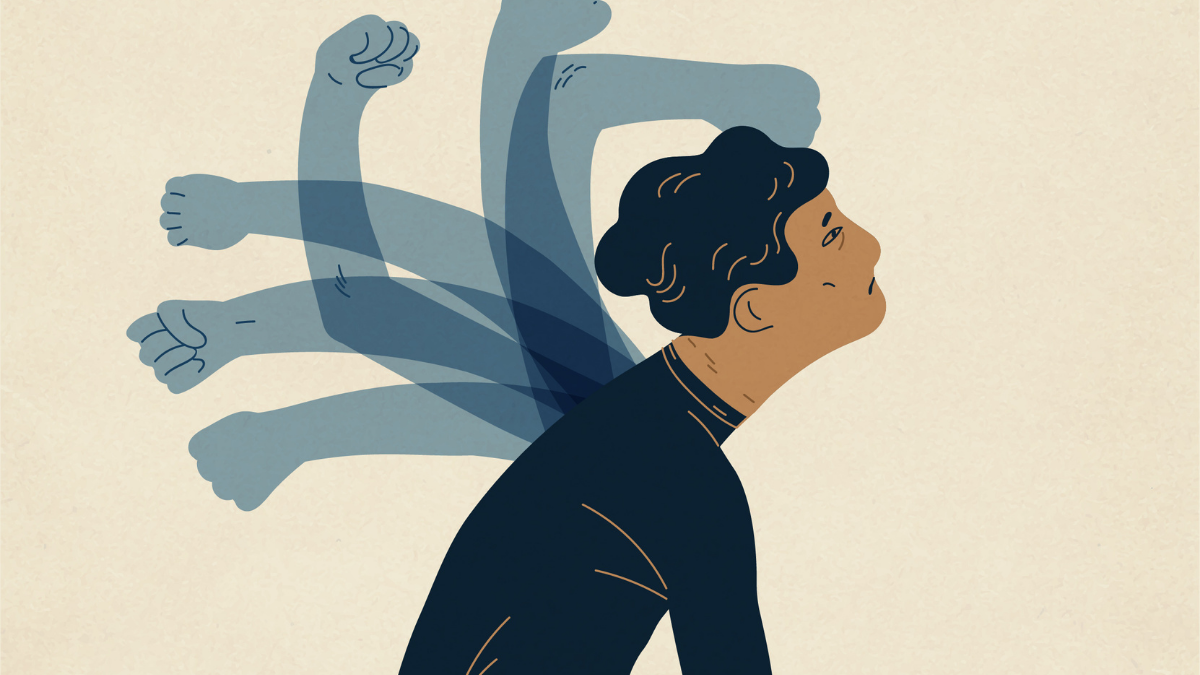
Self sabotaging is one of those patterns that quietly holds people back—often without them even realizing it. You want success, happiness, healthy relationships, or personal growth, yet your own actions seem to push those things away. This inner conflict is known as self sabotage, and it affects millions of people in their careers, relationships, mental health, and daily decisions.
In this article, we’ll explore what self sabotaging means, why people do it, common self-sabotaging behaviors, how it shows up in relationships, and—most importantly—how to stop self sabotaging and move toward a healthier, more fulfilled life.
What Is Self Sabotaging?
Self sabotaging refers to behaviors, thoughts, or habits that prevent a person from achieving their goals or living the life they desire—even when opportunities are available.
In simple terms, it means you get in your own way.
These behaviors are usually unconscious. People don’t intentionally ruin their chances; instead, fear, self-doubt, or past experiences drive actions that lead to failure, stress, or disappointment.
Self Sabotaging Meaning (Simple Explanation)
- Wanting success but procrastinating
- Wanting love but pushing people away
- Wanting change but staying in the comfort zone
- Wanting confidence but constantly criticizing yourself
Common Signs of Self Sabotaging Behavior
Self sabotage doesn’t look the same for everyone. It can be loud or very subtle. Here are some common self sabotaging behaviors to watch out for:
1. Procrastination
Putting off important tasks until the last moment—or avoiding them entirely—often stems from fear of failure or fear of success.
2. Perfectionism
Setting unrealistically high standards and then quitting when you can’t meet them. Perfectionism often hides deep insecurity.
3. Negative Self-Talk
Constantly telling yourself:
- “I’m not good enough”
- “I always mess things up”
- “I don’t deserve success”.
This inner voice reinforces self sabotage.
4. Fear of Change
Staying stuck in unhealthy jobs, habits, or relationships because change feels scary—even when you know you deserve better.
5. Self-Sabotaging Relationships
Pulling away when things get serious, starting unnecessary arguments, or choosing emotionally unavailable partners.
Why Do People Self Sabotage?
Understanding why self sabotage happens is the first step toward stopping it.
1. Fear of Failure
Failing hurts—but for many people, trying and failing feels worse than never trying at all. Self sabotage becomes a way to avoid disappointment.
2. Fear of Success
Success brings responsibility, expectations, and visibility. Some people sabotage themselves because success feels unsafe or unfamiliar.
3. Low Self-Worth
If deep down you believe you don’t deserve good things, you may unconsciously block them when they appear.
4. Past Trauma or Childhood Experiences
Growing up in critical, unstable, or emotionally unsafe environments can program the mind to expect failure or rejection.
5. Comfort in Familiar Patterns
Even painful patterns can feel “safe” because they’re familiar. The brain prefers predictability—even if it’s unhealthy.
What Is Self-Sabotaging in Relationships?
Self sabotaging relationships is extremely common and emotionally draining.
People may:
- Push their partner away when intimacy increases
- Create conflict where none exists
- Assume rejection before it happens
- Stay silent instead of expressing needs
- End healthy relationships out of fear
Often, self sabotage in relationships is driven by fear of abandonment, rejection, or vulnerability.
The Psychology Behind Self Sabotage
From a psychological perspective, self sabotage is a defense mechanism. The brain believes it’s protecting you from emotional pain—even though the outcome is harmful.
Your subconscious mind prioritizes.
- Emotional safety
- Familiar outcomes
- Avoiding perceived threats
This is why logical advice alone doesn’t stop self sabotaging. Change requires awareness, emotional regulation, and new behavioral patterns.
How to Stop Self Sabotaging: Practical Steps
The good news? Self sabotage is not permanent. With awareness and effort, it can be unlearned.
1. Identify Your Patterns
Start noticing:
- When do you procrastinate?
- What triggers self-doubt?
- Which situations cause avoidance?
Awareness weakens self sabotage.
2. Challenge Negative Thoughts
Ask yourself:
- Is this thought factual or emotional?
- What evidence supports or contradicts it?
- What would I say to a friend in this situation?
Replace self-critical thoughts with balanced ones.
3. Set Realistic Goals
Break goals into small, achievable steps. Progress builds confidence and reduces fear.
4. Learn to Tolerate Discomfort
Growth feels uncomfortable. Instead of avoiding discomfort, learn to sit with it without acting against yourself.
5. Practice Self-Compassion
Be kind to yourself when you slip. Shame fuels self sabotage; compassion disrupts it.
6. Improve Emotional Awareness
Journaling, mindfulness, or therapy can help you understand emotional triggers behind self-sabotaging behavior.
Can Therapy Help With Self Sabotage?
Yes—therapy is one of the most effective ways to address deep-rooted self sabotage.
Therapies like:
- Cognitive Behavioral Therapy (CBT)
- Inner child work
- Trauma-informed therapy
can help rewire harmful beliefs and behaviors.
Self Sabotage vs Self Protection
Many people confuse self sabotage with self protection.
- Self protection supports your well-being
- Self sabotage undermines your growth
Learning the difference helps you make healthier decisions without guilt.
Final Thoughts: Turning Self Sabotage Into Self-Awareness
Self sabotaging doesn’t mean you’re weak or broken. It means you learned survival strategies that no longer serve you.
By understanding what self sabotaging is, recognizing your patterns, and taking conscious steps to change, you can replace self sabotage with self trust, confidence, and growth.
Change doesn’t happen overnight—but every moment of awareness moves you closer to the life you deserve.