Comments Off on Candy Corn: Ingredients, What It’s Made Of & Common Myths Explained
Candy Corn: History, Ingredients, What It’s Made Of, and Common Myths
Candy corn is one of the most recognizable and debated seasonal candies in the world. Loved by some and disliked by others, this tri-colored treat has become a symbol of Halloween and fall festivities. Despite its simple appearance, candy corn often sparks curiosity about its ingredients, how it is made, and whether some of the rumors surrounding it are actually true. Understanding what candy corn really is helps separate facts from myths and explains why it has remained popular for over a century.
What Is Candy Corn?
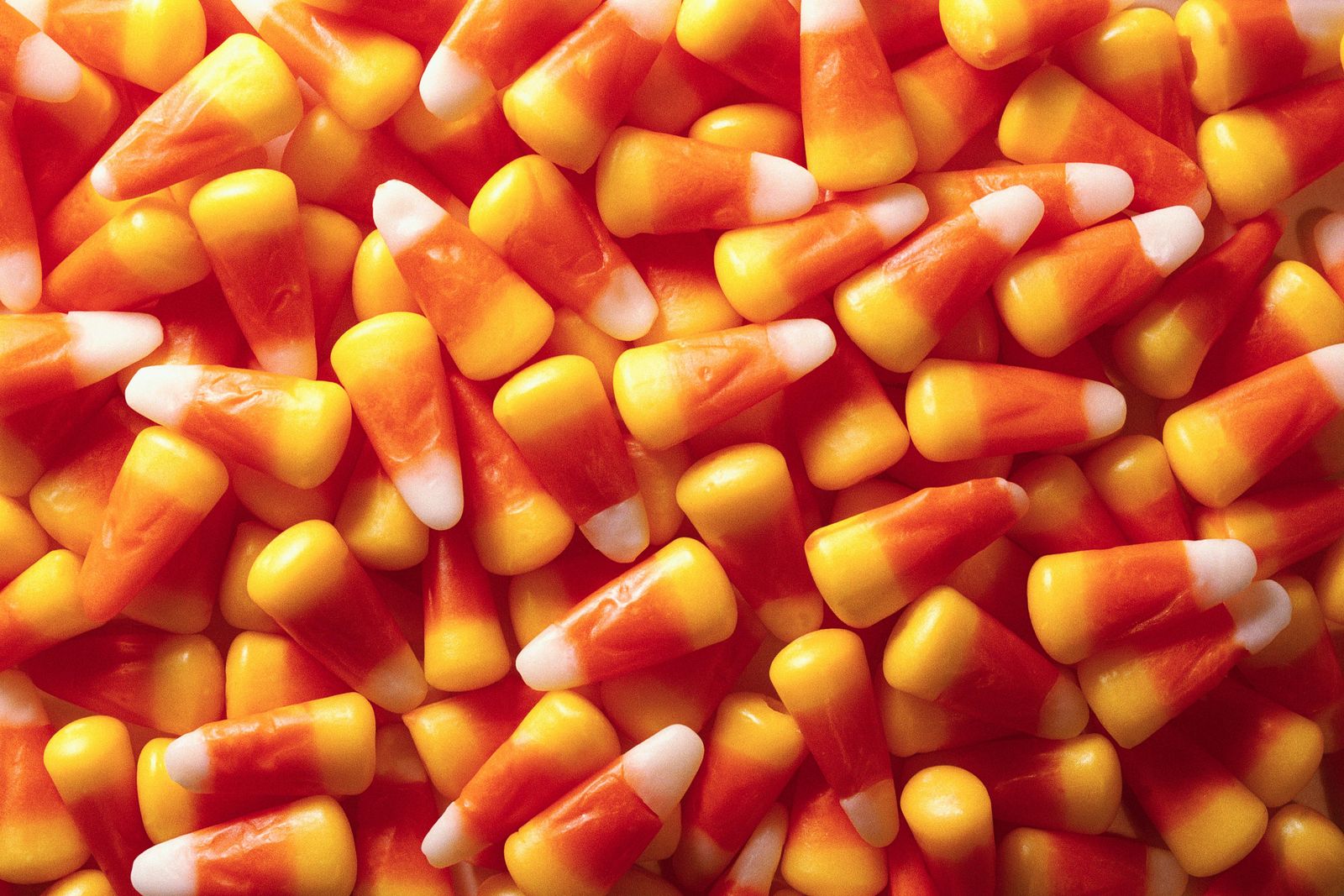
Candy corn is a small, cone-shaped candy traditionally colored white at the tip, orange in the middle, and yellow at the base. Its shape is meant to resemble a kernel of corn, which is where the candy gets its name. Candy corn is primarily a sugar-based confection with a soft, chewy texture and a sweet, vanilla-like flavor. It is most commonly sold during the Halloween season, though variations appear throughout the year.
History of Candy Corn
Candy corn dates back to the late 1800s and is believed to have been created to appeal to America’s agricultural roots. At the time, corn was a widely grown crop, and candy makers used familiar farm imagery to attract consumers. Early versions of candy corn were made by hand, with workers carefully layering colored syrup to achieve the signature tri-color design. Over time, production became mechanized, allowing candy corn to be mass-produced and widely distributed.
By the early 20th century, candy corn had become closely associated with Halloween, largely because of its autumn colors and affordability. This seasonal connection has helped it maintain its place in candy bowls for generations.
Candy Corn Ingredients Explained
One of the most common questions people ask is about candy corn ingredients. While recipes may vary slightly by manufacturer, candy corn is typically made from a combination of sugar, corn syrup, and confectioner’s glaze. These ingredients give candy corn its sweetness, shine, and chewy texture.
Other common ingredients include salt, artificial or natural flavorings, and food colorings to achieve its distinctive appearance. Some brands also use gelatin to help create the candy’s texture, which is an important consideration for vegetarians or those with dietary restrictions.
What Is Candy Corn Made Of?
Candy corn is made primarily from sugar and corn syrup, which are heated and blended into a thick mixture. This mixture is then layered into molds in stages to create the white, orange, and yellow sections. Once cooled, the candy hardens slightly but remains chewy. A light coating of confectioner’s glaze is often applied to give candy corn its glossy finish and prevent sticking.
Despite its name, candy corn does not contain whole corn kernels. However, corn syrup, which is derived from corn, is a key ingredient, contributing to the candy’s sweetness and smooth texture.
Other common ingredients include salt, artificial or natural flavorings, and food colorings to achieve its distinctive appearance. Some brands also use gelatin to help create the candy’s texture, which is an important consideration for vegetarians or those with dietary restrictions.
Why Is Candy Corn Called “Corn”?
The name “candy corn” comes from the candy’s shape rather than its ingredients. Its triangular design closely resembles a kernel of corn, especially when viewed from the side. During the time candy corn was first produced, using agricultural themes was a popular marketing strategy, and the familiar shape made the candy instantly recognizable to consumers.
Candy Corn Variations and Modern Flavors
Over the years, candy corn has evolved beyond its classic form. Today, manufacturers produce a variety of flavors and seasonal variations, including chocolate candy corn, pumpkin spice versions, and themed candies for holidays other than Halloween. Candy corn on the cob, which features layers of candy corn colors arranged on a cob-like base, is another popular novelty version.
These variations have helped keep candy corn relevant in a changing candy market while still honoring its traditional roots.
Common Myths About Candy Corn
Candy corn is often surrounded by myths, particularly online. One of the most widespread rumors claims that candy corn contains insects or bug parts. While trace amounts of insect-derived ingredients like food-grade shellac may be used in confectioner’s glaze, this is common across many candies and foods and does not mean candy corn contains bugs in a harmful or unusual way.
Another myth suggests that candy corn is made entirely of wax. In reality, while confectioner’s glaze gives it a shiny surface, candy corn’s primary components are sugar and corn syrup, not wax.
Is Candy Corn Safe to Eat?
Candy corn is considered safe to eat when consumed in moderation, just like other sugary treats. It contains no unique or dangerous ingredients compared to other candies. However, due to its high sugar content, it should be enjoyed responsibly, especially by individuals managing blood sugar levels or dental health concerns.
Why Candy Corn Is So Popular During Halloween
Candy corn’s association with Halloween comes from its autumn colors, long shelf life, and affordability. It is easy to distribute, visually festive, and has become a nostalgic symbol of the season. For many people, candy corn represents tradition and childhood memories, which helps explain its continued presence despite divided opinions on its taste.
Final Thoughts on Candy Corn
Candy corn may be one of the most polarizing candies, but its long history, simple ingredients, and strong seasonal identity have secured its place in popular culture. Whether you love it or avoid it, understanding what candy corn is made of and how it is produced helps clear up misconceptions and highlights why this small candy has endured for more than a century.