

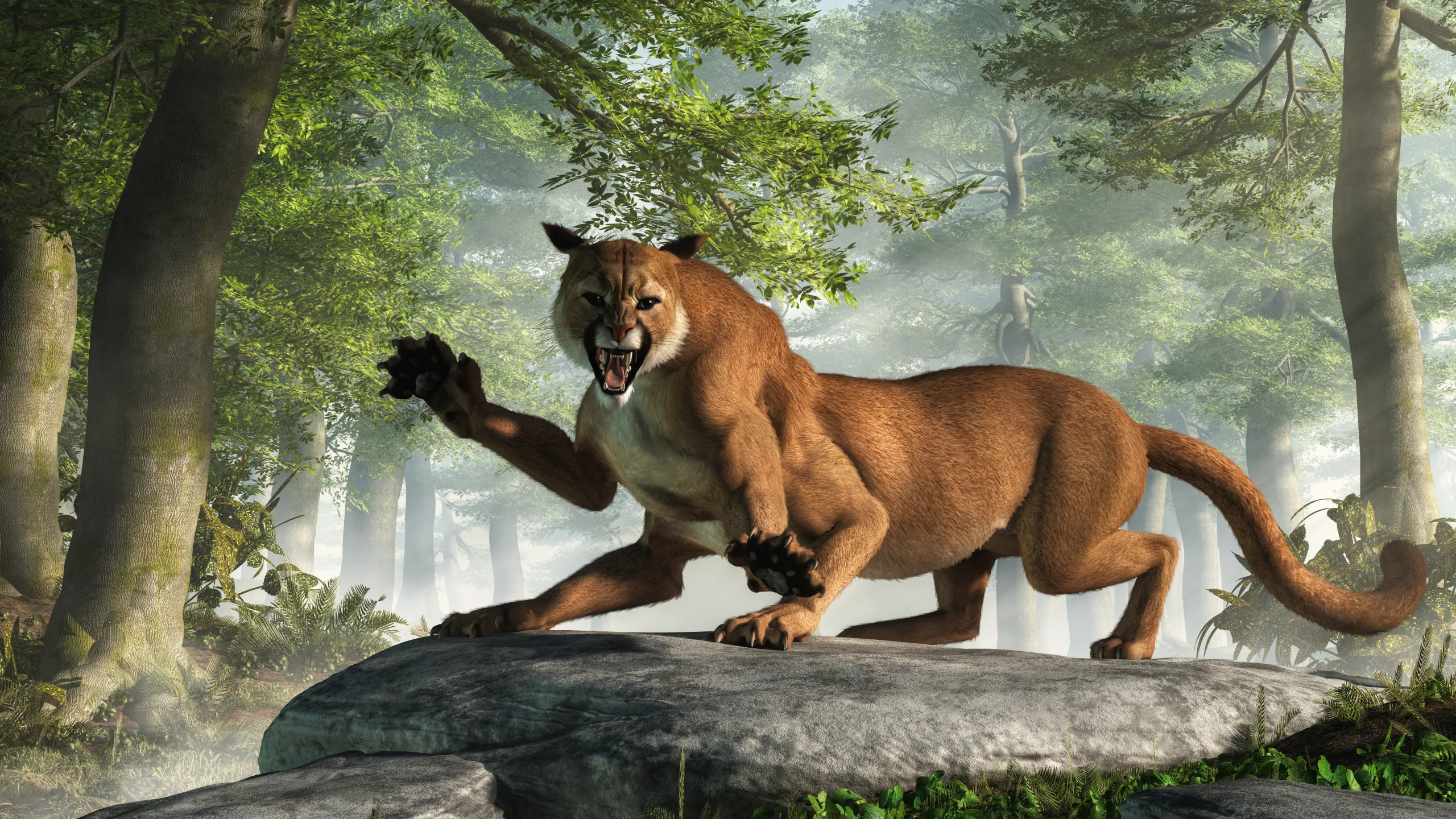
Wampus Cat: Legend, Sightings, Meaning, and History

The Wampus Cat: A Deep Folklore Tale of Mystery, Legends, and Modern Culture
Across the forests, mountains, and small towns of the United States, stories have always traveled faster than facts. Before newspapers, before the internet, before cameras in every pocket, people relied on oral traditions to explain the unexplainable. One of the most enduring and mysterious of these traditions is the legend of the Wampus Cat.
The Wampus Cat is not just a monster story meant to scare children. It is a complex folkloric figure shaped by Native American spirituality, Appalachian fear of the wilderness, community identity, and even modern pop culture. Over centuries, it has evolved from a cautionary tale into a symbol of strength, mystery, and imagination.
Understanding the Wampus Cat
At its core, the Wampus Cat is believed to be a large, cat like creature that roams forests and mountainous regions. Descriptions vary widely. Some say it resembles a panther with glowing eyes. Others claim it looks like a hybrid between a wild cat and a dog. Many accounts emphasize its speed, intelligence, and eerie silence.
What sets the Wampus Cat apart from other legendary creatures is that it does not have a single fixed identity. It changes depending on who tells the story. That flexibility is one reason the legend has survived for so long.
Native American Roots of the Legend
The earliest versions of the Wampus Cat legend originate from Native American tribes, particularly the Cherokee people. In these stories, the Wampus Cat was not always portrayed as evil. Instead, it was deeply spiritual.
One Cherokee legend tells of a woman who broke sacred tribal rules by secretly observing a forbidden ritual. To hide, she covered herself in a mountain lion skin. When discovered, she was cursed by the spirits and transformed into a half human, half beast creature. This creature became the Wampus Cat, condemned to wander the forests forever.
In this version, the Wampus Cat symbolizes consequence, taboo, and the importance of respecting spiritual laws. It is not merely a monster but a reminder of balance between humans and the unseen world.
Other Native stories describe the Wampus Cat as a guardian spirit, protecting villages from danger. These contrasting roles show that the creature was never meant to be purely feared. It represented power that demanded respect.
Appalachian Folklore and Frontier Fear
As settlers moved into the Appalachian Mountains, they encountered vast forests, unknown animals, and unfamiliar sounds. Native legends blended with European fears, and the Wampus Cat took on a darker tone.
In Appalachian folklore, the Wampus Cat became a creature that stalked livestock, attacked hunters, and screamed through the night. Its cry was often described as a woman wailing or a child calling out, drawing people into the woods.
Stories claimed dogs refused to chase it and bullets could not kill it. These tales helped explain unexplained animal deaths and strange sounds while reinforcing respect for the wilderness.
In isolated mountain communities, the Wampus Cat became a shared fear and a shared story, passed from one generation to the next.
Descriptions and Physical Characteristics
As settlers moved into the Appalachian Mountains, they encountered vast forests, unknown animals, and unfamiliar sounds. Native legends blended with European fears, and the Wampus Cat took on a darker tone.
In Appalachian folklore, the Wampus Cat became a creature that stalked livestock, attacked hunters, and screamed through the night. Its cry was often described as a woman wailing or a child calling out, drawing people into the woods.
Stories claimed dogs refused to chase it and bullets could not kill it. These tales helped explain unexplained animal deaths and strange sounds while reinforcing respect for the wilderness.
In isolated mountain communities, the Wampus Cat became a shared fear and a shared story, passed from one generation to the next.
Descriptions and Physical Characteristics
Despite differing accounts, several traits appear repeatedly in Wampus Cat descriptions.
It is often said to be large, about the size of a panther or small bear. Its eyes glow in the dark, sometimes described as yellow, green, or fiery red. Many stories mention sharp claws and powerful legs capable of leaping great distances.
Some legends claim the Wampus Cat walks on all fours, while others insist it can briefly stand upright. This human animal ambiguity adds to its unsettling nature.
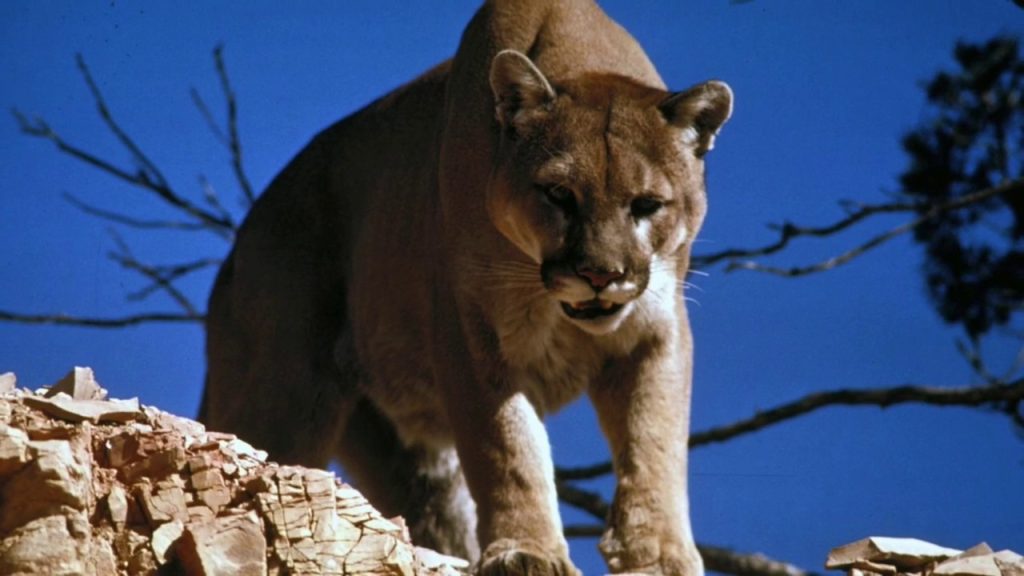
Wampus Cat Sightings and Reports
Throughout history, there have been numerous reported sightings of the Wampus Cat, particularly in rural areas of Arkansas, Tennessee, Kentucky, North Carolina, and West Virginia.
Witnesses often describe seeing glowing eyes in the woods or a large feline shape moving unnaturally fast. Some claim the creature vanished instantly, leaving behind a deep sense of fear rather than physical evidence.
While many sightings are later attributed to mountain lions or bobcats, others remain unexplained. The lack of concrete proof keeps the legend alive, allowing imagination to fill the gaps.
The Wampus Cat in Arkansas
Arkansas plays a special role in the modern legacy of the Wampus Cat. Over time, the creature became deeply embedded in local identity rather than remaining just a scary story.
The most famous example is Conway, Arkansas, where the Wampus Cat became the mascot for Conway High School. Instead of representing fear, the Wampus Cat came to symbolize strength, determination, and pride.
Conway Wampus Cats Football History
Conway High School athletic teams are known as the Wampus Cats, a name that has become legendary in Arkansas sports culture. The football program, in particular, helped transform the Wampus Cat from folklore into a symbol of dominance and resilience.
Fans proudly wear Wampus Cat imagery, and the mascot is a central figure at games and school events. This transformation shows how folklore can evolve into community identity.
What once terrified rural settlers now unites students and families under a shared symbol.
The Wampus Cat and Harry Potter
The Wampus Cat reached global recognition through the Harry Potter universe. In wizarding lore, the Wampus Cat is one of the houses at Ilvermorny School of Witchcraft and Wizardry, the American counterpart to Hogwarts.
At Ilvermorny, the Wampus house represents warriors, strength, and boldness. Students chosen for this house are known for their courage and assertive personalities.
This modern adaptation introduces the Wampus Cat to new generations and reimagines it as a magical creature rather than a monster. It also highlights how American folklore can coexist with fantasy storytelling.
Symbolism of the Wampus Cat
The Wampus Cat carries deep symbolic meaning across cultures.
In Native American stories, it represents spiritual boundaries and transformation. In Appalachian folklore, it symbolizes fear of the unknown. In Conway, it stands for strength and pride. In Harry Potter, it embodies bravery and magical power.
Few legends manage to hold so many meanings while remaining culturally relevant.
Psychological Appeal of the Legend
Humans are drawn to stories that blur the line between reality and myth. The Wampus Cat thrives in this space. It explains fear without needing proof and gives shape to emotions that are otherwise difficult to express.
The legend also serves as a reminder of humanity’s relationship with nature. It reflects respect, fear, and fascination with the wild.
The Wampus Cat in Modern Media and Culture
Beyond sports and fantasy literature, the Wampus Cat appears in books, documentaries, podcasts, and local festivals. It is often used to celebrate regional heritage and storytelling traditions.
Social media has also helped revive interest, with people sharing alleged sightings, artwork, and theories about the creature’s origins.
Skeptical Explanations
Beyond sports and fantasy literature, the Wampus Cat appears in books, documentaries, podcasts, and local festivals. It is often used to celebrate regional heritage and storytelling traditions.
Social media has also helped revive interest, with people sharing alleged sightings, artwork, and theories about the creature’s origins.
Why the Wampus Cat Still Matters
In an age of technology and instant answers, the Wampus Cat reminds us that mystery still has value. It keeps folklore alive and connects people to cultural roots that might otherwise fade.
It is not about whether the Wampus Cat exists physically. It exists culturally, emotionally, and imaginatively.
Final Thoughts
The Wampus Cat is more than a story. It is a cultural bridge between past and present, fear and pride, myth and identity. From Native American spirituality to Appalachian folklore, from Arkansas football fields to magical schools, the Wampus Cat continues to evolve.
Legends like this survive because they adapt. And as long as people continue to tell stories, the Wampus Cat will never truly disappear.